
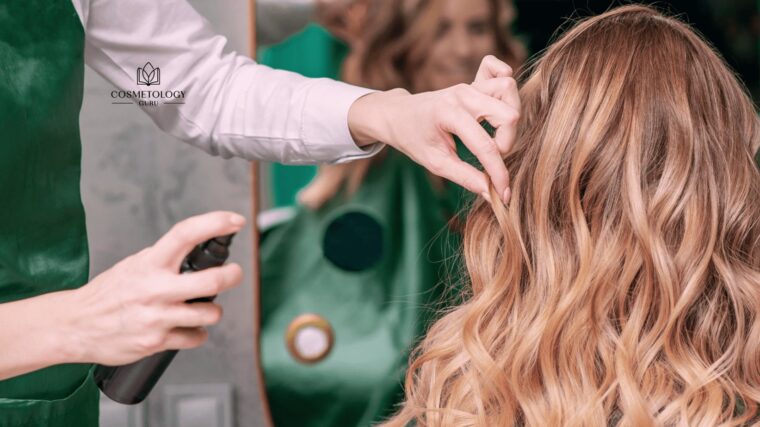
Before I knew anything about the beauty industry, I assumed every person who ever cut my hair could also shave a beard—after all, it’s all hairstyling! But this is a common misconception. Though cosmetologists and barbers have similar roles, each is its own profession.
Barbers provide hair services, including shaving facial hair. Cosmetologists, on the other hand, provide hair, skin, and nail services. However, there are even more differences between the two professions.
If a cosmetologist wants to become a barber, he or she must first obtain a barber’s license. However, there are different programs and “crossover” courses that make it easier and faster for licensed cosmetologists to expand into barbering as well.
Whether you’re deciding on your future career or are already a fabulous cosmetologist looking to broaden your range of services, continue reading to learn about all the differences between a cosmetologist and a barber, and whether or not it’s practical to be both!
What’s the difference between a barber and a cosmetologist?
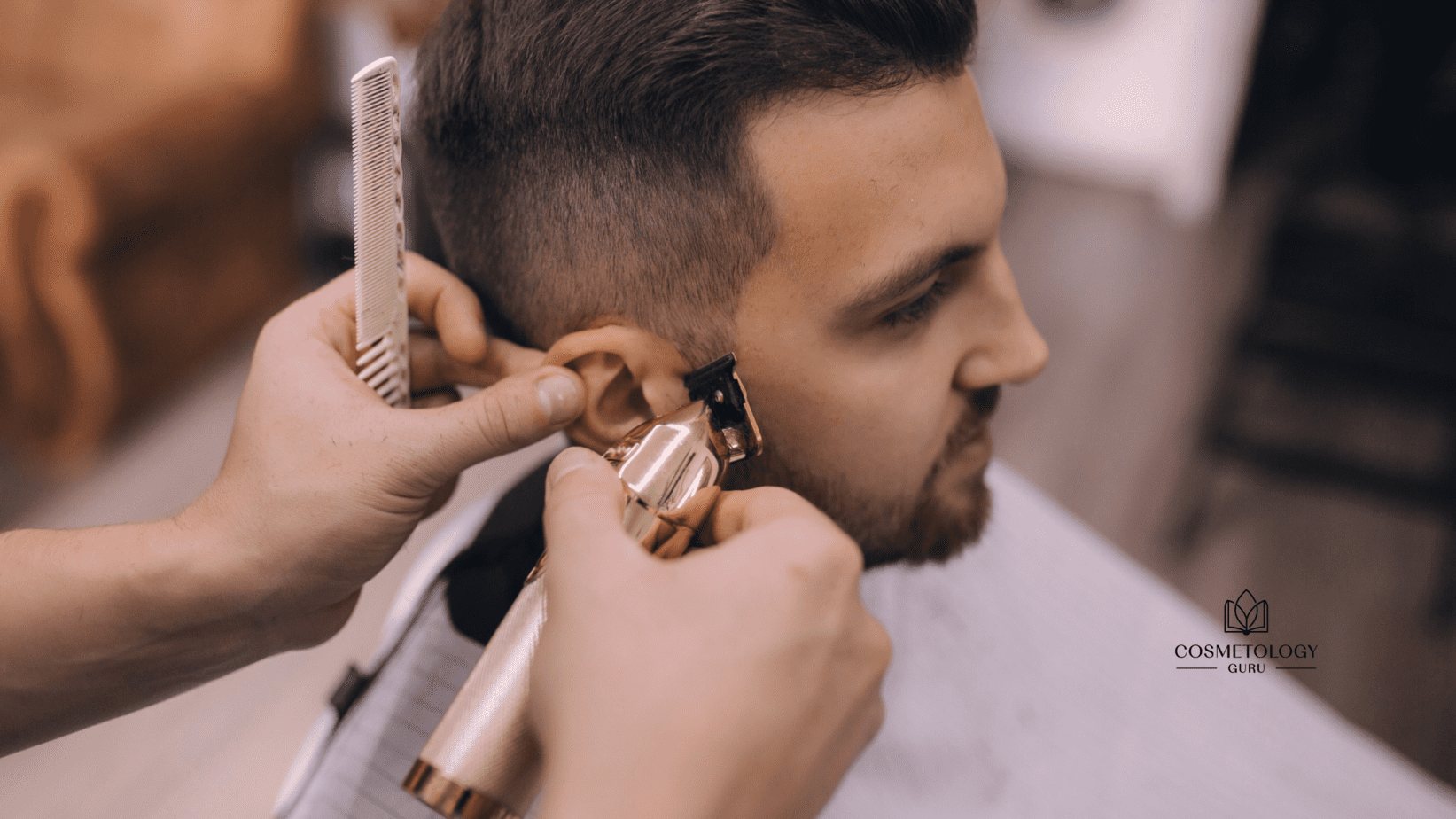
The primary difference between barbers and cosmetologists is the services they offer. Cosmetologists provide a variety of hair, skin, and nail services, while barbers focus primarily on men’s hair services, including shaving and facial hair.
According to Borner’s Barber College, barbers are qualified to provide the same hair services as cosmetologists. They can also provide additional services, such as shaving facial hair. However, cosmetologists can provide skin and nail services, and barbers cannot.
You will also have to take different exams for each profession, as each requires its own individual license.
Barber Vs Cosmetologist: Key Differences
Knowing the differences between barbers and cosmetologists can help you choose the right career for you. Here’s a quick look at what sets them apart:
Feature | Barber | Cosmetologist |
Focus | Hair and facial hair care | Hair, skin, and nails |
Services | Haircuts, shaves, beard trims | Haircuts, coloring, facials, nails |
Training Duration | ~1,000 hours | ~1,600 hours |
Licensing | State-regulated, specific to barbering | State-regulated, broad cosmetology |
Clientele | Mainly male | Both male and female |
Choosing between barbering and cosmetology depends on your interests and career goals. If you want to specialize in men’s grooming with services like shaving, barbering might be the path for you. If you’re interested in offering a broader range of beauty services, including skincare and nails, cosmetology could be a better fit.
Here’s a quick video from Clary Sage College briefly explaining some of the differences (and similarities) between the two professions:

Barber vs Cosmetologist Salary
The Bureau of Labor Statistics states that the median salary for cosmetologists is $35,080 per year. Manicurists and pedicurists, who are listed separately, but also fall under the category of cosmetologists, earn a similar annual income of $34,250 per year.
Also keep in mind that, as a cosmetologist or a barber, you have the ability to earn additional income through tips and commissions on products sold.
How do you get a cosmetology license?
Age requirements vary by state, but you must be at least sixteen years old to attend cosmetology school. Some states require a high school diploma or GED in order to become a cosmetologist as well.
You may spend months or years in school. This varies because you need a number of hours, specified by the state in which you live, to become a cosmetologist. If you take more classes, you will finish school earlier.
Cosmetologists need around the same number of hours as barbers to obtain their license, but this again varies depending on where you live.
You may also be allowed to receive your education through an apprenticeship at a workplace, rather than in a classroom. The workplace would have to be licensed in cosmetology, and only some states allow this.
Once your education is complete, you will take a test to obtain your license, and continued education will also be required to renew your license going forward.
Almost done with school? Take our free cosmetology practice test to see if you’re ready to take the exams!
How do you get a barber’s license?
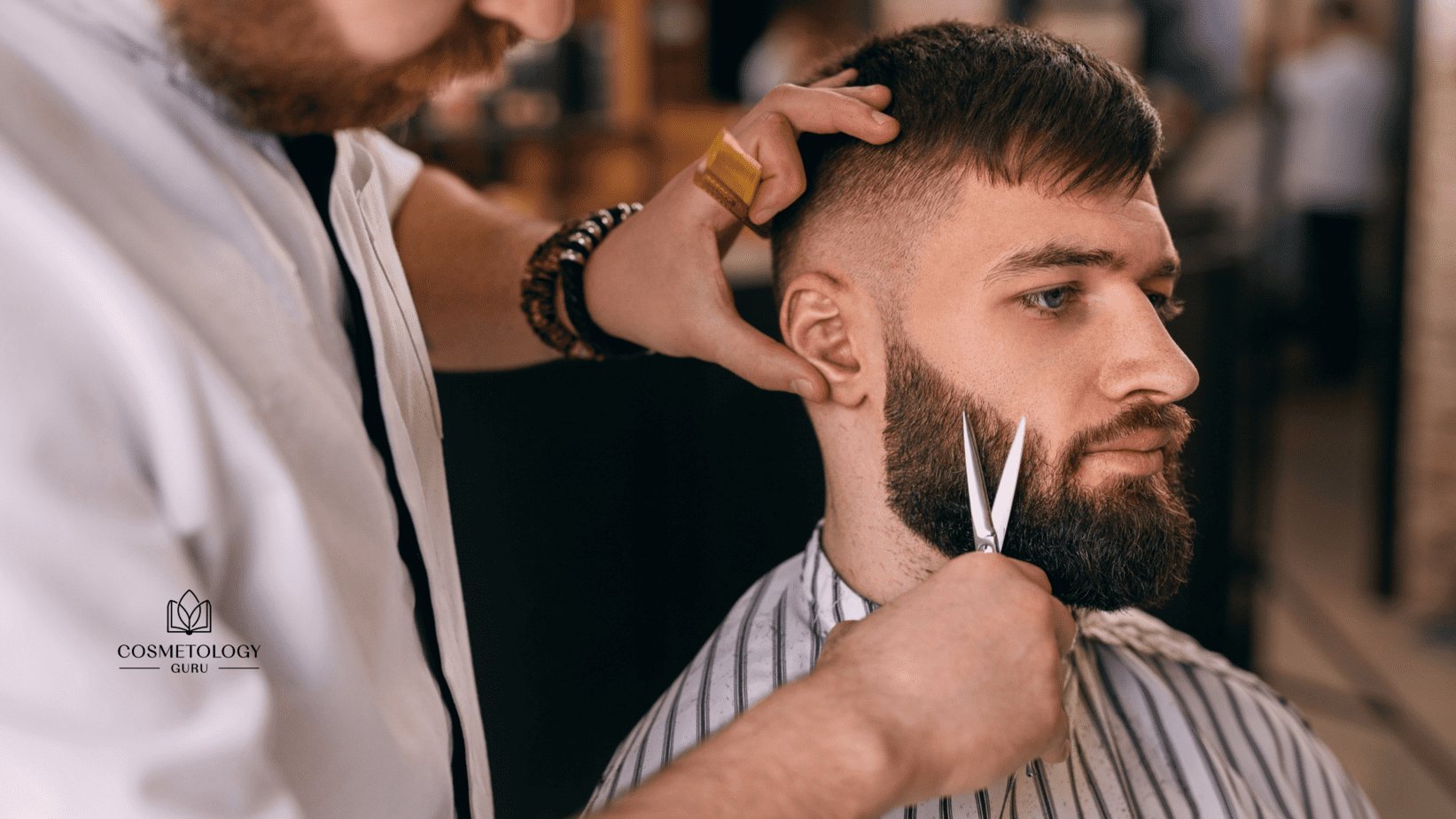
Barbers will also need to be 16 to 18 years old to begin school, depending on the state. Some states require you to have completed high school or obtained your GED in order to attend.
Barbers need a similar number of educational hours to cosmetologists before they can take a test to receive their barber’s license. This number varies by state. Courses may, like cosmetology, take months or years, depending on how many classes you attend.
Apprenticeships are also available to barbers in some states. As with cosmetologists, barbers must complete their apprenticeship within a licensed workplace.
Barbers must pursue continued education in some states to renew their licenses. However, some states do not require continued education for barbers.
Barbers can also become a Master Barber in some states. This might require an additional license, or simply sticking with the profession for a designated number of years.
Can you be a barber with a cosmetology license?
The short answer is no. Someone with a cosmetology license alone cannot be a barber. A cosmetologist would need to obtain a barber’s license in order to become a barber.
However, barbers can have a cosmetology license in addition to a barber’s license and vice versa. It’s not uncommon to have both, but it’s important to remember that they are separate licenses.
What is barbering crossover?
Barbering crossover allows a licensed cosmetologist to cross over into barbering. Many schools offer this course to students so that they may obtain both licenses.
This allows you to perform more services for your customers, especially if you focus primarily on hair services, or are planning to once you begin your career!
Getting a barbering crossover can bring you various key benefits like:

Can a cosmetologist shave?
A cosmetologist can cut hair, including facial hair; however, they cannot shave using a razor, also known as a “safety razor.”
A safety razor is a normal razor like the one’s you and I commonly buy at the local store for personal use. It has a built-in guard that protects the skin from every part of the blade except the very edge, thus making it much safer to use.
Can a cosmetologist use a straight razor?

A straight razor, on the other hand, has no safety guard. It has a long, exposed (and very sharp) blade that is set into a handle and usually folds shut. It offers a closer, cleaner, and smoother shave and is preferred by some barbers.
A cosmetologist cannot use a straight razor without first obtaining a barber’s license.
How many hours does a cosmetologist need to be a barber?
The number of hours a cosmetologist will need to become a barber varies depending on your state laws and regulations.
In general, cosmetologists seeking to become barbers may take a crossover course that allows them to obtain their barber’s license with fewer educational hours than someone just beginning their schooling.
If you are currently a cosmetologist, becoming a barber as well could be a great career move for you. It will allow you to provide more services and possibly earn a greater income as well!
On the other hand, if you haven’t begun your career yet and want to focus on hair services alone, you may want to consider becoming a barber rather than a cosmetologist to expand your reach when it comes to services you’ll be licensed to provide. Or, you could become licensed for both to give yourself even more options!
Conclusion
Cosmetology and barbering have similarities but require different licenses and offer different services. To switch from cosmetology to barbering, you’ll need a barber’s license. There are special programs that make this transition easier.
Knowing these differences can help you expand your skills and boost your career. Having both licenses lets you offer more services and earn more. With the right training and effort, you can successfully work in both fields and meet a variety of client needs.
FAQ’s
What qualifications do I need to be a barber?
An apprenticeship in barbering takes about 2 to 3 years to complete and is typically for individuals aged 16-18 years old. To enroll, you need to find a barbershop willing to take on an apprentice and a college that provides training once per week to obtain an NVQ.
Can you do nails with a cosmetology license in Texas?
To legally do nails in Texas, you need to complete a nail technician program consisting of at least 600 hours of coursework and training. Enroll in a licensed cosmetology school in Texas that offers nail technician courses.
Can cosmetologists use an electric shaver?
Cosmetologists are allowed to use electric trimmers and/or shears to neaten up sideburns and the back of the neckline. However, only licensed barbers can use a flat-edged razor for shaving.
What is Level 3 barbering?
The Level 3 Advanced Technical Diploma in Barbering (450) covers a wide range of skills and knowledge required for the barbering industry. Compulsory areas include cutting hair using various barbering techniques and designing and creating facial hair shapes.
What can a barber do that a cosmetologist can’t?
Barbers and cosmetologists both provide hair cutting and styling services. However, cosmetologists also offer skincare, makeup, and nail care services, whereas barbers specialize in hair care services that are not typically included in a standard cosmetology program.
What services can a cosmetologist not perform?
Cosmetologists offer a wide range of services for hair, nails, and skin, and many specialize as hairstylists, hair colorists, barbers, or makeup artists. However, they cannot perform advanced skin treatments like microdermabrasion or chemical peels.
