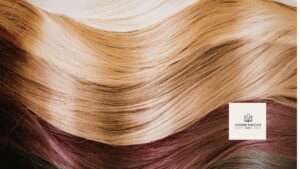
Hair Color Levels, Tones & the Color Wheel for the Cosmetology Exam
Master hair color theory for the cosmetology state board exam. Learn the difference between levels and tones, complementary colors, underlying pigment, warm and cool colors,

Master hair color theory for the cosmetology state board exam. Learn the difference between levels and tones, complementary colors, underlying pigment, warm and cool colors,

Learn how to recognize common skin disorders, distinguish potentially contagious conditions from noncontagious concerns, identify contraindications, and make safe decisions before facials, waxing, makeup, and
Learn the most common scalp disorders tested on cosmetology licensing exams, including dandruff, seborrheic dermatitis, psoriasis, tinea capitis, pediculosis, folliculitis, and alopecia. Understand which conditions
Learn how professional cosmetologists analyze hair before coloring, lightening, relaxing, cutting, or styling. Master hair texture, density, porosity, elasticity, growth patterns, scalp condition, and client
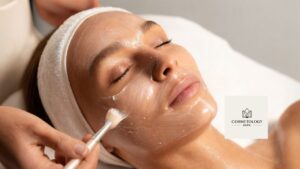
Learn the structure of hair, the hair growth cycle, and the anatomy concepts every cosmetology student should understand for the licensing exam and real salon

How long does it take to become a barber? Part-time vs full-time vs apprenticeship training and registration requirements.
Everything you need to know about cleaning, sanitizing, disinfecting, sterilization, blood exposure procedures, and the infection control concepts most commonly tested on the cosmetology licensing
Yes. In fact, most successful cosmetologists eventually specialize in a specific service area rather than trying to do everything. After earning your cosmetology license, you
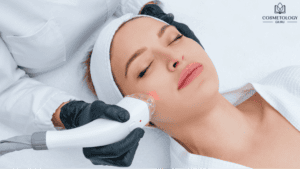
You have probably wondered what you can and can’t do with your cosmetology diploma. Read this article to learn more about it.